Retail World Research
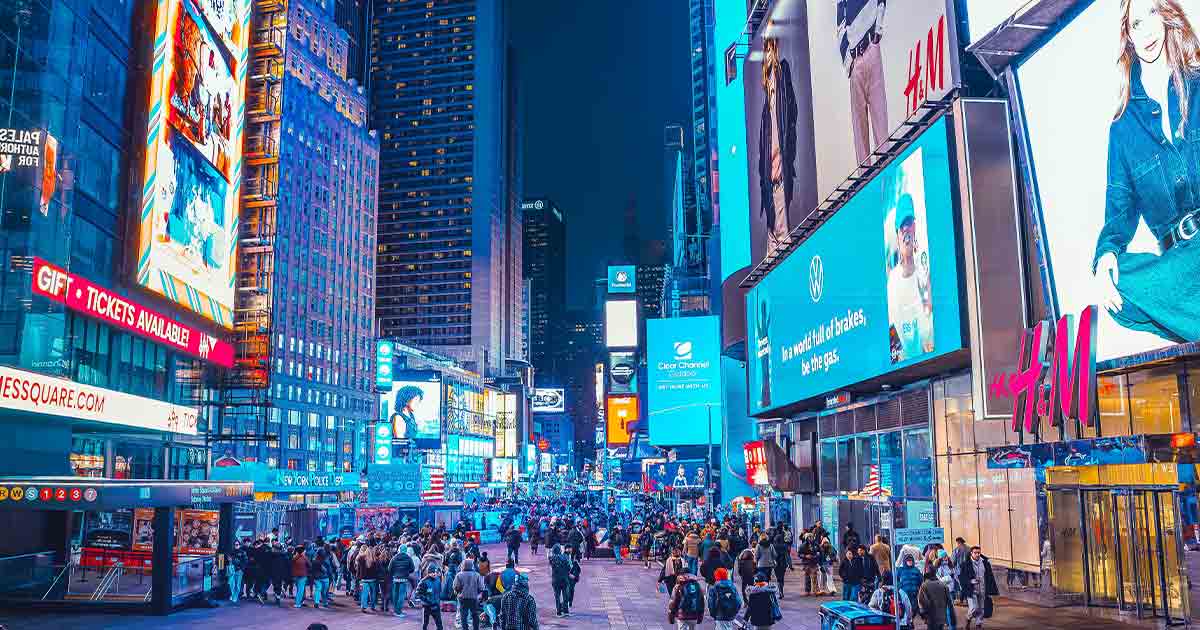
The high street isn’t dying; it is being re-coded. The prime market space in that aspect is shifting from an era of mass consumption (that used to be a prime revenue factor) to an intentional connection. By 2030, stores will no longer compete on presence alone; they will compete on purpose. As consumer behavior, technology, and economics converge, the physical retail landscape is rewriting its own rules.
1. The Showroom Shift (Experience over Inventory)
Stores are no longer built to hold inventory—they are designed to create intent. Increasingly, physical spaces are evolving into “brand galleries,” where consumers engage with products through demonstrations and consultations, while fulfillment happens through centralized networks.
This shift is not just conceptual—it is measurable. According to ICSC’s Halo Effect III study (2023), based on over $850 billion in transaction data across 2,100+ stores, opening a physical store increases a retailer’s online sales in the surrounding trade area by an average of 6.9%, rising to 13.9% for digitally native brands, while store closures can lead to an 11.5% decline in online sales.
The store is no longer just a sales channel—it is a demand generator. This demand generation is increasingly fueled by Retail Media Networks (RMNs). By 2030, the high street storefront will act as a ‘physical cookie,’ capturing shopper data and serving targeted ads in real-time. For retailers, the store is no longer just a place to move units; it is a high-margin advertising asset where brands pay for ‘digital-physical’ shelf space. Even as stores drive online growth, they are becoming less dependent on in-store transactions.
2. The Service Hub Transformation
As traditional retail categories consolidate, the high street is pivoting toward services that require physical presence. Healthcare clinics, wellness studios, fitness centers, and personal care services are steadily replacing conventional retail formats.
According to CBRE (2025), food & beverage has emerged as one of the largest drivers of new retail leasing demand in several urban markets, with wellness and service-led categories also expanding rapidly. Cushman & Wakefield (2025) similarly highlights strong growth in dining, entertainment, and fitness-led formats.
The high street is evolving from a place to buy things into a place to do things—anchored in everyday services and experiences. A primary driver of this service pivot is the ‘Silver Economy.’ By 2030, one in six people globally will be over the age of 60, according to the World Health Organization. This demographic controls significant wealth, with India’s seniors expected to control assets worth $1.5 trillion by 2030 (CII-BCG). Because this cohort prioritizes healthcare, wellness, and high-touch personal service, the high street is being ‘re-coded’ to meet their specific needs, from specialized clinics to premium leisure formats.
3. Phygital Logistics (The Store as Infrastructure)
The role of the store is expanding beyond the front-end experience to include back-end fulfillment. As hybrid shopping becomes the norm, stores are being redesigned to serve both customers and logistics networks simultaneously.
Consumer behavior is already reflecting this shift. A growing share of urban and younger consumers are adopting Buy Online, Pick Up In-Store (BOPIS), with nearly 45–50% of shoppers using it to save time and access same-day fulfillment (Capital One Shopping, 2025). This isn’t just a trend; it’s a massive market shift. According to Business Research Insights, the global BOPIS market is projected to reach $40 billion by 2035, as retailers repurpose expensive urban real estate into hyper-local fulfillment nodes.
The boundary between store and warehouse is rapidly disappearing. The store is no longer just a destination—it is infrastructure. The store is becoming more critical—even as fewer purchases actually happen inside it.
4. The Second-Life Economy (The Resale Boom)
Sustainability is no longer a niche initiative—it is becoming a core retail model. The secondhand market is moving into the mainstream, reshaping how consumers think about ownership and value.
According to ThredUp’s 2026 Resale Report, the global secondhand apparel market is projected to reach $393 billion by 2030, growing significantly faster than the overall apparel market. Additional estimates from BCG and Vestiaire Collective suggest resale is expanding 2–3 times faster than traditional retail. What was once driven by affordability is now fueled equally by sustainability and changing consumer behavior—particularly among younger shoppers.
5. The Hyper-Local Anchor
The era of standardized, “copy-paste” high streets is fading. In its place, hyper-local relevance is emerging as a key competitive advantage. Advances in AI and data are enabling retailers to localize assortments and experiences at the store level. At the same time, broader retail trends indicate a shift toward more personalized and community-driven consumption.
According to PwC’s Global Consumer Insights Survey (2024–2025), consumers are increasingly prioritizing trust, authenticity, and local relevance. Shopify’s Future of Commerce report notes that over 60% of consumers are willing to pay more for sustainable or purpose-driven brands, reflecting a broader shift toward differentiated and values-driven consumption. This signals a return to the high street’s original role—as a community-centric ecosystem rather than a uniform retail template.
The high street of 2030 will not be defined by location, but by clarity of role. The winners will not be those with the most stores, but those with the clearest purpose for each one—whether as a showroom, a service hub, a fulfillment node, or a community anchor. Retail is no longer about being present. It is about being necessary.
As retail continues to evolve across markets, the ideas shaping its future are increasingly being defined through global industry dialogue. Retail World Forum & Awards brings together senior retail leaders, technology innovators, and ecosystem stakeholders across high-growth markets to explore the strategies and innovations driving modern commerce—alongside a global awards platform. To partner, speak or attend log on to retailworldforum.com